
Why Scaffold Design Matters Before Erection.
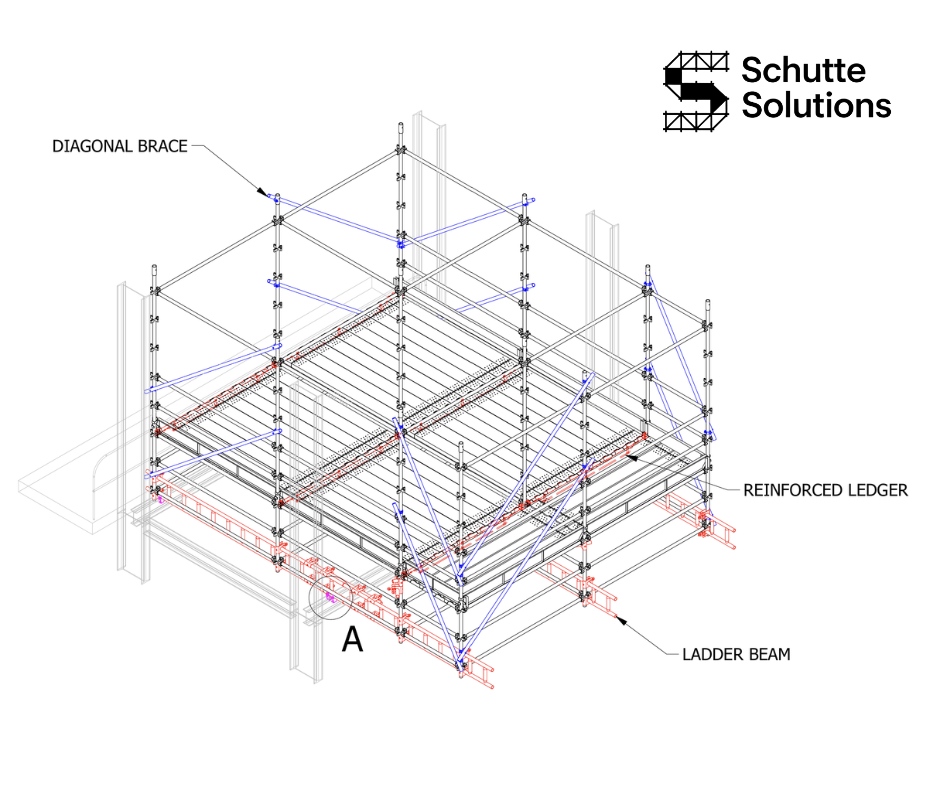
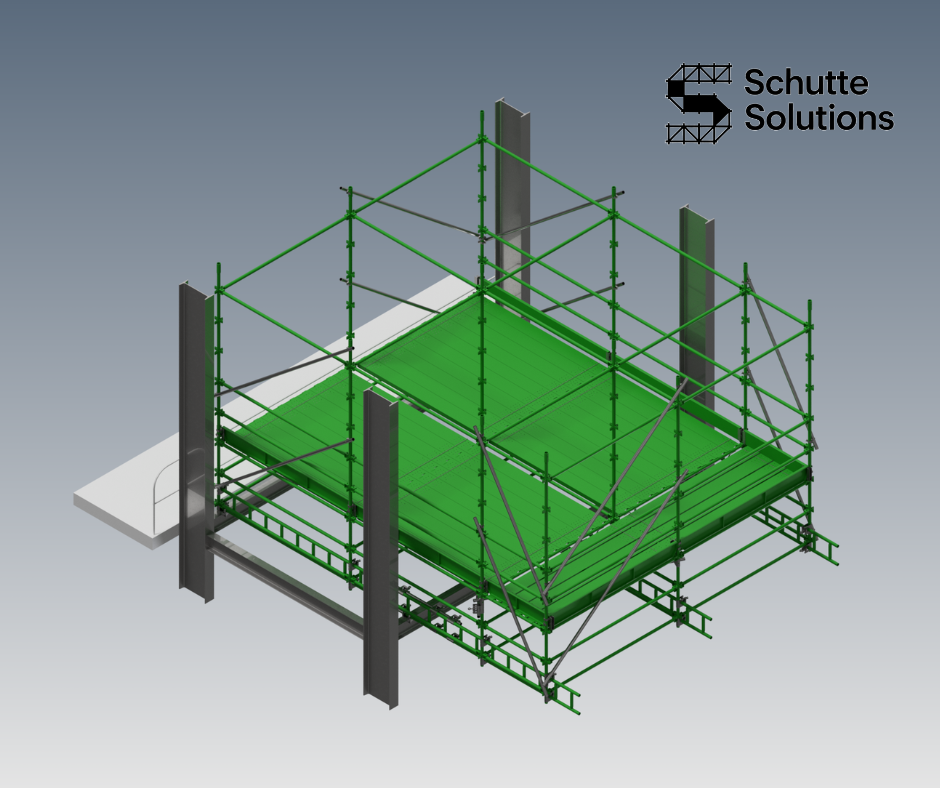
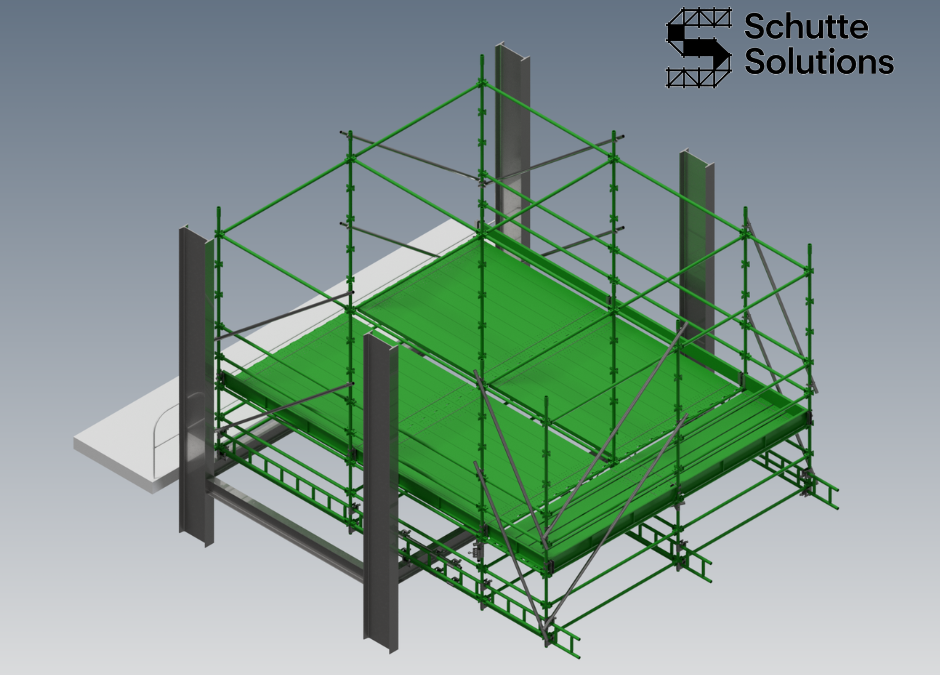
When it comes to scaffolding, success begins long before the first standard or ledger is installed. Proper scaffold design is one of the most important stages of any project, yet it is often overlooked or treated as an afterthought. A well-designed scaffold improves safety, ensures compliance, reduces costs, and helps projects run more efficiently from start to finish.
At Schutte Solutions, we believe that every scaffold structure should be engineered with precision before erection begins. Through professional Kwikstage scaffold designs and engineering sign-off in accordance with SANS 10085-1:2024, we help our clients build safer and smarter.
Why Scaffold Design Matters
Scaffolding is more than just assembling components into a temporary structure. Every scaffold must safely support workers, materials, and environmental loads while maintaining stability throughout its intended use.
Professional scaffold design considers several critical factors:
-
Load requirements
-
Tie locations
-
Access and egress points
-
Wind loading
-
Foundation conditions
-
Stability and bracing requirements
-
Interaction with existing structures
Without proper engineering, these factors may be overlooked, increasing the risk of failure, delays, or costly modifications once erection has already begun.
A scaffold that appears structurally sound may still be operating outside safe design parameters. This is why design should always precede erection.
Common Site Mistakes That Could Have Been Avoided
Many scaffold-related issues arise not during use, but during planning. Some of the most common mistakes include:
1. Insufficient Load Assessment
One of the most frequent errors is underestimating the loads that a scaffold must support. Workers, tools, materials, and equipment all contribute to the total loading.
If these loads are not properly calculated, components may become overstressed, reducing safety margins and potentially leading to structural failure.
2. Incorrect Tie Placement
Ties are essential for maintaining scaffold stability, especially on taller structures. Improper tie spacing or inadequate attachment points can significantly reduce a scaffold's resistance to wind and lateral forces.
Engineering design identifies optimal tie locations before erection begins, ensuring compliance and structural integrity.
3. Poor Access Planning
Safe access is a legal and operational requirement. Inadequate stair towers, ladders, or access routes can create hazards for workers and reduce site efficiency.
Professional design integrates access into the scaffold layout from the outset.
4. Foundation and Ground Conditions
Scaffolds transfer loads into the ground. Uneven surfaces, weak soils, or insufficient base preparation can compromise stability.
An engineered design accounts for ground conditions and load distribution, reducing the risk of settlement or collapse.
5. On-Site Modifications
When scaffolds are erected without a proper design, contractors often make adjustments on-site to accommodate changing conditions. These modifications may unintentionally affect structural performance.
A comprehensive design minimises the need for changes and provides clear guidance to erection teams.
The Benefits of Early Engineering Involvement
Engaging engineers early in the project lifecycle offers substantial benefits.
Improved Safety
Safety remains the primary objective of scaffold design. Engineering analysis ensures the structure performs as intended under expected loading conditions and environmental influences.
This reduces risk to workers and improves overall site safety.
Regulatory Compliance
South African scaffold requirements continue to evolve, with SANS 10085-1:2024 establishing updated standards for scaffold design and use.
Professional engineering sign-off demonstrates compliance and provides clients with confidence that structures meet recognised industry standards.
Better Project Planning
Early design allows project teams to identify challenges before they impact construction schedules.
Potential conflicts with building geometry, access restrictions, or loading requirements can be addressed proactively rather than reactively.
Reduced Delays
Unexpected issues during erection often lead to project delays. By resolving these challenges during the design phase, projects can proceed more efficiently and with fewer interruptions.
Improved Communication
Detailed scaffold drawings provide a common reference point for contractors, erectors, engineers, and clients. This improves coordination and reduces misunderstandings on site.
Cost Savings Through Proper Design
Some organisations view engineering design as an additional expense. In reality, it often results in significant cost savings.
Avoiding Rework
Redesigning or modifying scaffolds after erection is expensive and time-consuming. Proper planning prevents costly rework and material wastage.
Optimising Material Usage
Engineering calculations ensure that scaffolds use the correct amount of material—neither too little nor too much.
This optimisation reduces unnecessary costs while maintaining safety.
Minimising Downtime
Project delays can have substantial financial consequences. Early engineering involvement helps avoid unforeseen issues that could halt work.
Reducing Risk Exposure
Accidents, failures, and non-compliance carry significant financial and reputational risks. Investing in proper design helps protect both personnel and businesses.
Why Choose Schutte Solutions?
At Schutte Solutions, we specialise in professional Kwikstage scaffold design and engineering services tailored to the unique requirements of each project.
Our services include:
-
Kwikstage scaffold design
-
Engineering calculations
-
Structural assessments
-
Compliance reviews
-
Engineering sign-off in accordance with SANS 10085-1:2024
We work closely with contractors, project managers, and scaffold providers to deliver practical, safe, and compliant solutions that support successful project outcomes.
Final Thoughts
The best scaffold problems are the ones that never occur. By investing in professional scaffold design before erection begins, organisations can improve safety, reduce costs, minimise delays, and ensure compliance with modern industry standards.
When it comes to scaffolding, good engineering is not an optional extra-it is the foundation of a successful project.
Contact Schutte Solutions today to discuss your scaffold design requirements and discover how early engineering involvement can add value to your next project.