
Did You Know? Different Scaffold Types Require Different Designs
Not all scaffolds are created equal. Each scaffold type is designed to serve a specific purpose, and selecting the wrong configuration can compromise safety, efficiency, and compliance.
According to SANS 10085-1:2024, scaffold design must consider factors such as intended use, load requirements, stability, access needs, environmental conditions, and the complexity of the structure. The standard places increased emphasis on proper design documentation, engineering approval where required, and ensuring that scaffolding systems are suitable for the task at hand.
Independent Scaffolds
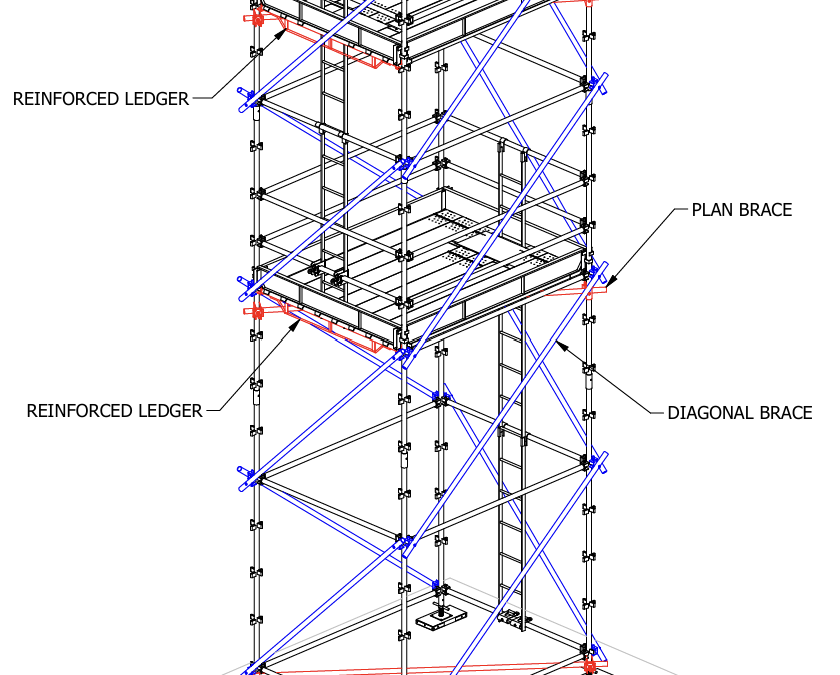
Independent scaffolds are among the most commonly used scaffold structures in construction and maintenance projects. As the name suggests, these scaffolds are designed to stand independently and do not rely on the building for their primary support.
They are frequently used for:
-
Building façade work
-
Painting and maintenance
-
Bricklaying
-
General construction activities
-
Industrial shutdown projects
Because independent scaffolds carry their own loads, stability is one of the most important design considerations. Engineers must evaluate:
-
Platform loading requirements
-
Wind exposure
-
Ground bearing capacity
-
Tie arrangements
-
Bracing requirements
-
Scaffold height-to-base ratios
A scaffold that appears stable at ground level may become vulnerable to lateral forces as height increases. Proper engineering design ensures that the structure remains safe throughout its intended use.
Birdcage Scaffolds
Birdcage scaffolds consist of multiple rows of standards connected by ledgers and transoms, creating a large working platform that covers a wide area.
These scaffolds are commonly used for:
-
Ceiling installations
-
Mechanical and electrical work
-
Industrial maintenance
-
Warehouse projects
-
Access to overhead structures
Unlike façade scaffolds, birdcage scaffolds must distribute loads across a large footprint while maintaining rigidity throughout the structure.
SANS 10085-1:2024 places increased focus on:
-
Internal bracing requirements
-
Load distribution
-
Platform stability
-
Structural integrity of large-span configurations
Without adequate bracing and proper spacing, birdcage scaffolds can experience excessive movement or instability, particularly on larger projects.
Loading Bays
Loading bays are among the most heavily loaded scaffold structures found on construction sites.
Unlike standard working platforms designed primarily for personnel, loading bays are specifically intended to accommodate:
-
Pallets of materials
-
Construction equipment
-
Bulk supplies
-
Material transfer operations
Because loads are often concentrated in a small area, loading bay design requires detailed engineering calculations.
Key design considerations include:
-
Maximum load capacity
-
Impact loading
-
Structural reinforcement
-
Material handling procedures
-
Safe access and egress
-
Load transfer into the main scaffold structure
A loading bay designed without accurate load calculations can become a significant safety hazard. For this reason, SANS 10085-1:2024 requires loading capacities to be clearly defined and incorporated into the design process.
Stair Towers
Safe access is a critical component of every scaffold system, particularly on large projects where workers move frequently between levels.
Stair towers provide a safer and more efficient alternative to ladders by offering controlled vertical access throughout the structure.
Common applications include:
-
High-rise construction
-
Industrial plants
-
Shutdown projects
-
Large access scaffolds
While stair towers may appear straightforward, they introduce additional loading and stability considerations.
Engineers must evaluate:
-
Pedestrian traffic volumes
-
Platform sizes
-
Stair geometry
-
Emergency access requirements
-
Integration with the main scaffold structure
A properly designed stair tower improves site safety, increases productivity, and reduces worker fatigue.
Cantilever Scaffolds
Cantilever scaffolds are often used when conventional scaffolding cannot be erected from ground level.
Typical applications include:
-
Building entrances
-
Glass canopies
-
Roof structures
-
Restricted access areas
-
Obstacles at ground level
Unlike standard scaffolds, cantilever structures transfer loads through specially designed support arrangements and anchorage systems.
This creates unique engineering challenges, including:
-
Load path analysis
-
Anchorage design
-
Structural support verification
-
Counterbalancing forces
-
Deflection control
Because of their complexity, cantilever scaffolds are generally considered special structures and often require engineer-approved drawings before erection.
Failure to properly assess these factors can lead to significant structural risks.
Why One Design Does Not Fit All
Every scaffold serves a different purpose. A design suitable for a façade scaffold may be entirely inappropriate for a loading bay or cantilever structure.
Factors that influence scaffold selection include:
-
Type of work being performed
-
Height requirements
-
Load classification
-
Site restrictions
-
Ground conditions
-
Access requirements
-
Environmental exposure
The safest and most cost-effective solution is not always the simplest one. By selecting the correct scaffold type and ensuring it is professionally designed, contractors can improve safety, minimise delays, and optimise material usage.
The Role of Engineering in Scaffold Design
Professional scaffold design goes beyond compliance. It helps identify potential issues before erection begins, reducing costly modifications and project delays.
At Schutte Solutions, we provide professional Kwikstage scaffold designs and engineering sign-off in accordance with SANS 10085-1:2024. Our designs are tailored to the specific requirements of each project, ensuring that every scaffold is fit for purpose and structurally sound.
Whether you require an independent scaffold, birdcage scaffold, loading bay, stair tower, or cantilever structure, proper engineering design remains the foundation of a safe and successful project.
Final Thoughts
Not all scaffolds are created equal. Each scaffold type has unique design requirements, loading characteristics, and stability considerations.
Selecting the correct scaffold configuration-and ensuring it is professionally designed—plays a critical role in protecting workers, maintaining productivity, and achieving compliance.
At the end of the day, a scaffold is only as safe as the design behind it.
Need assistance with your next scaffold design? Contact Schutte Solutions to discuss your project requirements and discover how professional engineering can help deliver safer, more efficient scaffold solutions.